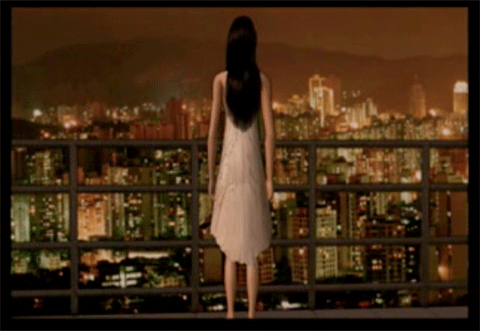
http://www.youtube.com/watch?v=HEqDJk8liyE
The essential component in defining something as art seems to be in the intentionality. Certainly the makers of many, if not all, videogames could be considered artists in their own right, but it is the act of the self proclaimed artist setting out to create art that assures that their creations shall be defined as such. The videogame itself is a powerful tool that allows an artist to produce a form of expression, whereas the maker of the game was likely merely producing something that would be fun.
Modding itself is a grand form of appropriation, one of the key components of postmodern art. The Sims 2 game, for example, was initially created for entertainment, yet the mod I have included which combines video game technology with music, is an example of the postmodern understanding of art as a desire to create new modes of artistic expression through a variety of mediums.
If art is and always has been, a reflection of the times, then it is only natural and understood that videogames, or more specifically, videogame mods, as well as a myriad of other forms of interests specific to that particular moment in history, would seep into creative expression and have no other choice than be considered true art.
Comments (4)
What do you think?
Posted by Andy Cox | February 4, 2008 11:33 PM
Posted on February 4, 2008 23:33
I would question (and you're perfectly welcome to disagree) whether this particular machinima piece is art. It shows good craft in the matching of animation and music, but did it in any way (and this is personal of course) make me think any new thoughts, reveal any underlying ideology, or challenge my notions of truth?
The pure act of appropriation does not necessarily art make.
Still, you make some good comments and art is all about questioning what art is.
Posted by Andy Cox | February 12, 2008 11:09 PM
Posted on February 12, 2008 23:09
I am not an artist, but rather a (budding) art historian. However....
I thought I had this whole idea of art down. Or actually, evading trying to define it at all because we can't ever really know for certain what art is. But I am willing to give the artist the benefit of the doubt when he or she states his or her work as such. Because I see no other way.
I guess I focus on the intentionality because the meaning of a work can't be solely dependent upon what others think. Great works of art may be fairly easy to decifer, but what about those at the bottom? Whose opinion do they need to be considered 'art'? How many? One person? One million? A dishwasher saying it has meaning? Or an art critic who decides that this particular subject, medium, concept has validity at this moment in history?
So for now, I respectfully hold my stance that art comes not from external opinion, but from the intentions of the artist.
Because I guess I have always thought that a true artist expressed themselves through their work not caring what others thought. They were simply expressing their fear, outrage, sense of beauty, whatever, and if someone viewing their work could relate, so be it. But it was absolutely never, ever a requirement.
Posted by tawnia | February 13, 2008 6:04 PM
Posted on February 13, 2008 18:04
It seems there are (at least) three parties involved in defining an object as "art". 1. the artist, 2. the viewer, and 3. the critics, curators, art establishment, etc. I think the first two are the most important. If someone tells me that something they have made is arts art, then I owe it to them to do my very best to understand it as art. But, in my mind, there is no absolute obligation on behalf of the viewer to accept it as art. One thing for sure.... our talking about what art is is art!
Posted by Andy Cox | February 13, 2008 8:43 PM
Posted on February 13, 2008 20:43