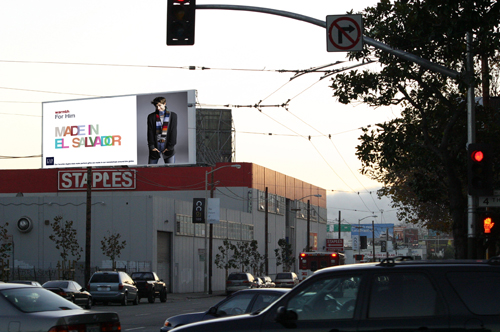
ad on public place 2
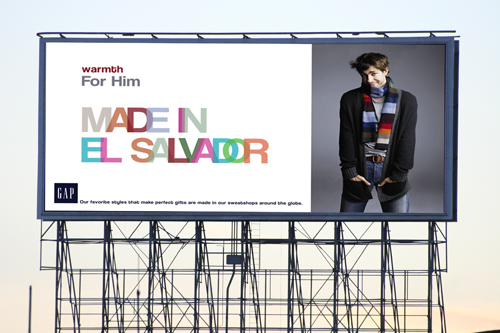
indeed publicity photos has posessed a great deal of power and attention by manipulating 19th century art work and in ways it has created a half learned culture. but in fact today we see that this kind of pulicity is not as sucsessfull as it used to be. youngters today are not quite familiar with the art of the 19th century and the publicity ads will not comiunoicate to them as it influences the older generations. the urban young generation today are somehow rebelious to the promises that the publicity ads are offering and are more drawn to the uniqe costum and hand made products.rather than the slick modern fashion and trends.and its growing...
As described in the article the term cool was created by africans , was a profitable tool for corporations, and been used and viewed a vriety of ways by the western society. but as we step into the 21st century the term cool has been used and abused in so many ways that has become part of the subcouncious of the western society and we rarely make a consiuos decision in witch "cool" is not played a part in. our daily actions wheter we are talking to someone or puchesing an item or making a moral judjement are all inflluenced to some degree by our own inturpetation of the term cool. having that in mind one can say the term cool is in fact an Idol which its form is dynamicly changing by the masses that are worshiping and enduring its on-going persence.
in this article the the author uses an a example of a daily activity such as brushing his teeth every day to illustrate a scenario in which he then calls art or no art. the paradox that he is talking about is that these activities when paid close attention to their process by a person becomes art and at the same time its an ordinary daily activity which is non-art. these activities (such as brushing teeth) he concludes: are always oscillating between a ordinarily recognizable activity and the "resonance " of this activity in the larger human context. but they always have a metaphoric power.
using his reasoning it seems that any conscious activity when it is performed in the analytic context draws question about its social and cultural values and creates a platform in which the artist can express his or her opinions. and then depending on the way that it is presented it could be categorized as art.